

My Five Weeks as an Intern at Modern Art Oxford by Karina Oakley
Karina Oakley, a Classical Archaeology & Ancient History student at the University of Oxford, joined Modern Art Oxford’s communications team for a five-week placement through the Crankstart Internship Programme. Here, she shares what she learnt, from editing Instagram reels to exploring the gallery’s archives.
A Milestone Year
This was a particularly exciting summer to be working for the gallery. It is their 60th anniversary year and so the programme is full of ambitious new commissions and celebrations.
My placement coincided with the installation of Mike Nelson’s Double Negative (The Clown), which revisits his 2004 exhibition Triple Bluff Canyon. Each morning, I could see more of the construction taking shape in the Upper Galleries. Despite having seen it being installed and heard a lot about it and the process of putting it together, how immersive it was still took me by surprise.
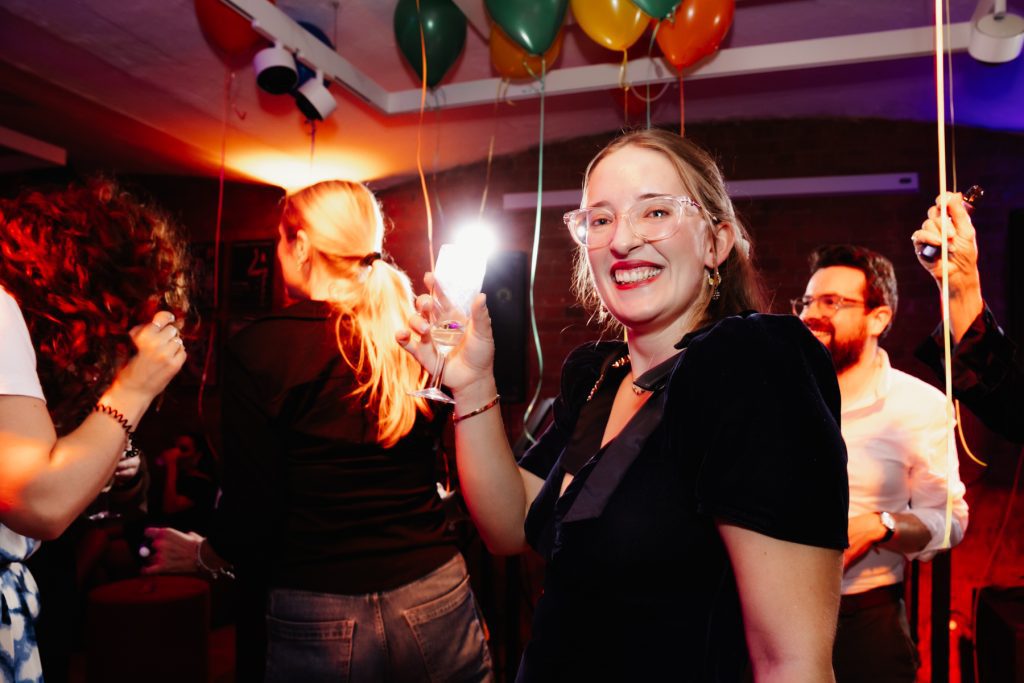
I also attended the gallery’s 60th birthday party and Verity Babbs’ Art History’s Funniest Bits. Both were opportunities to see the gallery full of visitors and meet some of the people who support its work. Verity Babbs’ talk was absolutely hilarious. Part art history lecture, part stand-up comedy show, it was an entertaining evening and I even learnt a few quirky art facts, such as the rumoured feuds between the Renaissance artists Leonardo, Michelangelo, and Raphael. She also talked about Rossetti’s pet wombat named Top that ate cigars at one of his dinner parties!
Creating Instagram Content (and Walking Around Oxford Filming Myself)
One of my first tasks was to create a reel sharing my interpretation of Appau Jnr Boakye-Yiadom’s exhibition Modular Merger. I felt slightly out of my depth. As a Classical Archaeology & Ancient History student, I hadn’t studied art since before my GCSEs and wasn’t used to putting my responses to art into words. Spending time in the exhibition helped me develop my own interpretation.
I had also never used CapCut before. Editing around 38 minutes of raw audio into a reel under 90 seconds was quite an introduction! By the end, I felt much more confident with the software.
For my final project, Rob (Head of Communications) and Ione, (Communications and Design Manager) encouraged me to explore ways of engaging students. I put together a survey asking my peers what would encourage them to visit and where they found out about events. Their responses suggested that awareness of the gallery was one barrier.
This informed my next reel: filming the route from my college, St John’s, to Modern Art Oxford. Despite getting a few strange looks as I filmed myself walking around the city, it was a highlight of the placement. It brought together my new skills and showed me how audience research can shape creative decisions.
Looking Back at 60 Years of Exhibitions
I worked with Emilia, the exhibitions intern, to explore the archives and turn research about past exhibitions into social media posts.
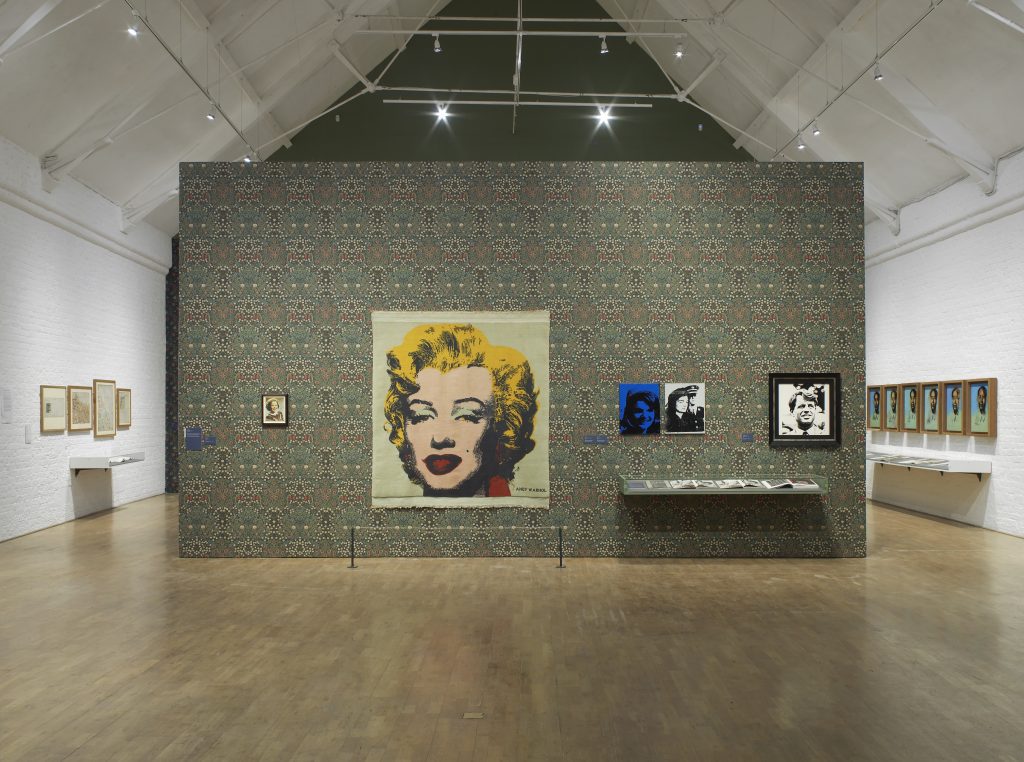
I focused on Love is Enough (2014), curated by Jeremy Deller, which brought together works, writings and personal belongings by William Morris and Andy Warhol. Having recently visited an exhibition about May Morris with my family, I was curious to learn more about her father’s work and its unexpected connections with Warhol.
Writing the post helped me practise introducing an exhibition clearly to people who might be discovering it for the first time.
The Work Behind the Programme
The placement also introduced me to the practical work behind the gallery’s events and communications. Uploading events to local listings websites showed me how much work goes into helping people discover the programme, including choosing platforms that reach relevant audiences. Digitising visitor feedback also helped me understand how the gallery listens to its audiences and reports to funders.
Thank You, Modern Art Oxford
I felt welcomed from my first day. Conversations with colleagues across different departments gave me valuable career advice and a better understanding of the work involved in running a non-profit gallery.
Most of all, the placement confirmed that I want to pursue a career in marketing. As I enter my final year at university, I’ll take that confidence, alongside new skills and experiences, into whatever comes next.